8382 N. Wayne Drive Suite 202 Hayden, ID 83835

Coeur d'Alene,
dental,
dental crowns,
dental implants,
dentist,
Hayden ID,
Northwest Natural Dentistry,
restorative dentistry,
Restorative Dentistry Coeur d’Alene: A Step-by-Step Guide to Your Visit
If you’re preparing for a restorative dentistry appointment, you probably have questions about what will happen. Understanding the process can ease any nervousness you might feel. At Northwest Natural Dentistry in Hayden, Dr. Cory Harker and his team guide Coeur d’Alene patients through every step of restorative care with compassion and transparency.
Restorative Dentistry Coeur d’Alene treatments help repair damaged teeth, replace missing teeth, and restore full function to your smile. This guide walks you through your appointment from the moment you arrive to your recovery at home. You’ll know exactly what to see, hear, and feel during each stage.
Whether you need a crown, bridge, implant, or filling, the process follows a similar pattern. Let’s explore what happens during a typical restorative dentistry visit so you can feel confident and prepared.
Arriving at the Office: Check-In and Initial Comfort
Your appointment begins the moment you walk through the door. The front desk team greets you warmly and confirms your contact information. You’ll complete or update any necessary paperwork in a comfortable waiting area.
The team asks about any changes to your health history. This includes medications, allergies, or recent medical procedures. These details help Dr. Harker tailor your treatment safely.
You’ll notice the office environment feels calm and welcoming. Soft lighting and friendly staff help create a relaxing atmosphere. Many patients arriving from Coeur d’Alene or Dalton Gardens comment on how the space feels more like a wellness center than a traditional dental office.
Within minutes, a team member escorts you to the treatment room. They offer you a blanket or pillow for added comfort. This attention to detail sets the tone for your entire visit.
The Consultation: Assessment and Treatment Planning
Dr. Harker begins by reviewing your dental history and current concerns. He listens carefully to your symptoms and any discomfort you’ve experienced. This conversation helps him understand your goals and expectations.
Next comes a thorough examination of the affected area. Dr. Harker uses gentle pressure and specialized tools to assess the tooth structure. You might hear him discussing observations with his assistant using clinical terms.
Digital X-rays or scans may be necessary to see beneath the surface. These images reveal decay, cracks, or bone loss that aren’t visible to the naked eye. The radiation exposure is minimal, and the process takes only seconds.
Dr. Harker then explains his findings in clear, understandable language. He shows you the images on a chairside monitor so you can see exactly what he sees. Together, you discuss treatment options and create a plan that fits your needs.
The consultation includes sensory details you’ll want to know about:
- You’ll hear the click of the digital sensor as images are captured
- You’ll feel gentle pressure during the examination but no pain
- You’ll see detailed images of your teeth on a screen
- You’ll notice the fresh, clean scent of the treatment room
The Procedure: Step-by-Step Restoration Work
Once you approve the treatment plan, the actual procedure begins. Dr. Harker ensures you’re completely comfortable before starting any work. He explains each step as he goes, so you’re never surprised.
For most restorative procedures, local anesthesia numbs the treatment area. You’ll feel a slight pinch as the needle enters, followed by a tingling sensation. Within minutes, the area becomes completely numb.
As spring transitions to summer in Coeur d’Alene, many patients schedule restorative work before vacation season. Getting treatment done now means you’ll be ready to enjoy summer activities with a fully restored smile.
During the procedure, you’ll experience several sensations:
- The sound of dental instruments, including a gentle drill or suction
- Pressure or vibration but no sharp pain due to anesthesia
- The taste of water or dental materials in your mouth
- Occasional requests to open wider or turn your head slightly
For a dental crown, Dr. Harker carefully removes damaged tooth structure. He shapes the remaining tooth to create a stable foundation. A digital scanner captures precise measurements of the prepared tooth.
If you’re receiving a filling, he removes decay and cleans the cavity thoroughly. The composite material is applied in layers, each hardened with a special light. You’ll see a bright blue light and might feel slight warmth.
For dental implants, the procedure involves placing a titanium post into the jawbone. This creates a permanent foundation for a replacement tooth. The process is more involved but follows a clear sequence of steps.
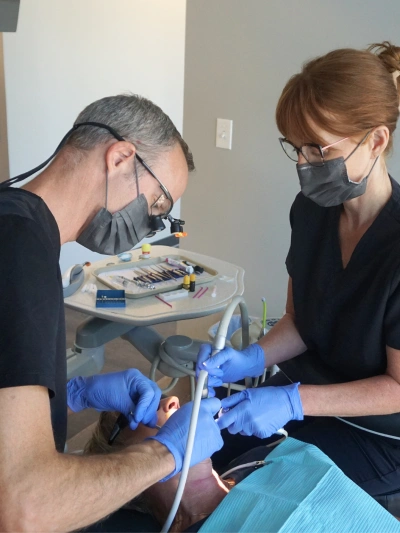
Throughout the procedure, Dr. Harker and his assistant check on your comfort level. They adjust lighting, provide breaks, and ensure you can breathe easily. The team’s experience shows in their smooth coordination and gentle touch.
Immediate Aftercare: What Happens Before You Leave
After completing the restoration, Dr. Harker examines his work carefully. He checks your bite to ensure the new restoration feels natural. You’ll be asked to bite down gently and report how it feels.
If the restoration feels too high or uneven, he makes minor adjustments. This step is crucial for long-term comfort and function. Most patients need only small tweaks to achieve the perfect fit.
The team provides detailed aftercare instructions before you leave. They explain what sensations are normal and which require attention. You’ll receive written guidelines to take home for reference.
Expect some numbness to linger for a few hours after your appointment. Your lips, tongue, and cheeks might feel thick or swollen. This sensation gradually fades as the anesthesia wears off.
The team offers these important reminders:
- Avoid eating until the numbness completely subsides to prevent biting your cheek or tongue
- Stick to soft foods for the first 24 hours if you received a crown or extensive filling
- Take any prescribed medications as directed for comfort and healing
- Apply ice packs to your face if you experience swelling
Before you leave, the front desk schedules any necessary follow-up appointments. For complex restorations like crowns or bridges, you might return for a final fitting. The team ensures you understand the timeline for complete healing.
Recovery at Home: The First Days After Your Visit
Your recovery experience depends on the type of restoration you received. Simple fillings typically cause minimal discomfort. More extensive work like crowns or implants may require several days of healing.
You might experience sensitivity to hot and cold temperatures initially. This is completely normal and usually resolves within a few weeks. Your tooth is adjusting to its new restoration.
Some tenderness around the treatment site is expected. Over-the-counter pain relievers usually provide adequate relief. Contact the office if pain worsens or doesn’t improve after a few days.
During recovery, maintain excellent oral hygiene around the restoration. Gentle brushing and flossing keep the area clean without causing irritation. Avoid hard, sticky, or chewy foods that might dislodge temporary restorations.
Most patients return to normal activities immediately after their appointment. You can drive yourself home unless you received sedation. The restorative work shouldn’t interfere with your daily routine.
Watch for these signs that everything is healing properly:
- Gradual reduction in sensitivity over the first week
- No persistent sharp pain when biting down
- Gums that look pink and healthy around the restoration
- Ability to chew comfortably on both sides of your mouth
If you notice anything unusual during recovery, don’t hesitate to reach out. The team at Northwest Natural Dentistry remains available to answer questions and address concerns. Your comfort and successful healing are the top priorities.
Long-Term Success: Maintaining Your Restored Smile
Restorative dentistry treatments can last many years with proper care. Your commitment to oral hygiene directly impacts how long your restoration functions. Daily brushing, flossing, and regular checkups extend the life of your dental work.
Dr. Harker recommends avoiding habits that stress restorations. These include chewing ice, biting fingernails, or using teeth as tools. Such behaviors can crack or loosen even the strongest dental materials.
Regular professional cleanings help monitor your restoration’s condition. The hygienist examines the margins where the restoration meets natural tooth structure. Early detection of any issues prevents more extensive problems later.
Many Coeur d’Alene families schedule their cleanings during key times like late spring. Getting checkups before summer travel ensures your smile stays healthy during vacation season. It’s also a thoughtful Mother’s Day gift for the special women in your life.
Your restored tooth deserves the same care as your natural teeth. With attention and maintenance, restorations blend seamlessly into your smile. Most patients forget which teeth have been restored because they function so naturally.
Understanding what happens during restorative dentistry removes much of the anxiety surrounding dental procedures. Knowledge empowers you to participate actively in your oral health journey. Dr. Harker and the Northwest Natural Dentistry team believe informed patients experience better outcomes and greater satisfaction.
If you’re ready to restore your smile with confidence, the team is here to guide you through every step. Book Now to schedule your appointment with our team.
Frequently Asked Questions
How long does a typical restorative dentistry appointment take in Coeur d’Alene?
Most restorative dentistry appointments last between one and two hours depending on the complexity of the procedure. Simple fillings may take only 30 to 45 minutes, while crowns or bridges require more time for preparation and fitting. Dr. Harker schedules adequate time to ensure thorough, unhurried care that prioritizes your comfort and the quality of your restoration.
Will I experience pain during my restorative dentistry procedure?
You should not feel pain during the procedure thanks to local anesthesia that numbs the treatment area completely. You may feel pressure, vibration, or pushing sensations, but these should not be painful. If you do experience discomfort, let Dr. Harker know immediately so he can administer additional anesthesia. The goal is a completely comfortable experience from start to finish.
How soon can I eat after receiving a dental restoration?
Wait until the numbness from anesthesia completely wears off before eating, typically two to four hours after your appointment. This prevents accidentally biting your cheek, tongue, or lips. For the first 24 hours, stick to soft foods and avoid chewing directly on the restoration site. Your specific aftercare instructions may vary depending on the type of restoration you received.
What should I do if my bite feels uneven after a crown or filling?
An uneven bite after a restoration is not uncommon and should be addressed promptly. Contact Northwest Natural Dentistry to schedule a quick adjustment appointment. Dr. Harker can reshape the restoration in minutes to ensure proper alignment. Never ignore bite issues, as they can cause jaw pain, tooth sensitivity, or damage to the restoration over time.
How long will my dental restoration last?
The lifespan of dental restorations varies by type and how well you care for them. Composite fillings typically last five to ten years, while crowns and bridges can last 15 years or longer with proper maintenance. Dental implants can last a lifetime with good oral hygiene and regular dental visits. Your individual habits, oral health, and regular professional care all influence how long your restoration will serve you well.