8382 N. Wayne Drive Suite 202 Hayden, ID 83835


In the world of holistic healthcare, what truly makes the difference between treatment that supports or disrupts your body’s natural balance? The answer lies in biocompatibility. Biocompatibility refers to a substance’s ability to interact with the body without causing harm, an essential factor in holistic care. In a practice that focuses on integrating body, mind, and environment, using treatments that are harmonious with the body is not just beneficial. It’s vital.
At Northwest Natural Dentistry, we believe in the principle that holistic dentistry goes beyond just treating symptoms. It’s about aligning treatments with the body’s natural healing process, ensuring minimal side effects, and supporting long-term wellness.
In this article, we’ll explore why biocompatibility is considered the “golden rule” in holistic care, particularly when it comes to maintaining a healthy, natural smile.
What Is Biocompatibility?
Biocompatibility is a key concept in holistic healthcare that refers to how well a material or substance interacts with the body without triggering adverse reactions. When it comes to dental care, biocompatibility ensures that any material placed in your mouth, whether it’s a dental filling, implant, or crown, works in harmony with your body.
For instance, many traditional dental treatments involve metals or other materials that may cause irritation or long-term health concerns. In contrast, biocompatible materials, such as ceramic crowns, composite fillings, and zirconia implants, are more likely to coexist peacefully with the body, reducing the risk of inflammation, allergies, or other adverse reactions.
Examples of biocompatible materials used in holistic dentistry include:
- Herbal remedies: Natural treatments, like essential oils and plant-based products, that support oral health without harming the body.
- Dental implants: Titanium implants are biocompatible because the body’s bone cells integrate seamlessly with the material, creating a strong bond.
- Tooth-colored fillings: Made from composite resins, these materials match the natural shade of your teeth and are less likely to cause sensitivity compared to metal fillings.
Ultimately, the goal of biocompatible materials is to support overall wellness by minimizing the body’s exposure to harmful substances while enhancing the natural healing processes.
Why Biocompatibility Matters in Holistic Health

In holistic dentistry, treatments are designed to align with the body’s natural healing abilities, and biocompatibility plays a pivotal role in this approach. Here’s how:
Link to the Body’s Natural Healing
Biocompatible materials don’t just avoid harm. They enhance the body’s natural capacity to heal. For example, when biocompatible materials like zirconia dental implants are used, they allow for faster healing times and a stronger bond with the bone, promoting the restoration of the smile without disrupting the body’s processes.
In contrast, treatments involving toxic or non-biocompatible materials can interfere with the body’s ability to heal effectively, potentially causing inflammation or infection. Holistic dentistry in Hayden focuses on using biocompatible alternatives that work in tandem with the body’s healing mechanisms.
Avoiding Side Effects
One of the fundamental principles of holistic health is to avoid unnecessary side effects caused by synthetic chemicals or foreign materials. By opting for biocompatible dental treatments, patients are less likely to experience adverse reactions, such as gum irritation or allergic reactions. For instance, composite fillings, unlike traditional amalgam fillings, contain no mercury, significantly reducing potential risks to health.
Integrating with Natural Therapies
Biocompatible approaches also complement other natural therapies, such as acupuncture or naturopathy. When biocompatible materials are used in whole-body health dentistry, they reduce the risk of interactions with herbal remedies or other natural treatments, ensuring that the patient’s overall well-being is supported by every aspect of their care.
At Northwest Natural Dentistry, we use treatments that align with your body’s natural rhythms, allowing for a seamless integration of prevention-first dental care with other holistic health practices.
The Role of Biocompatibility in Preventing Long-Term Health Issues
One of the key aspects of holistic care is its focus on prevention rather than treatment. Biocompatibility plays a central role in this by proactively addressing potential health issues before they develop into major problems.
Prevention Over Treatment
Holistic care aims to prevent long-term health complications by using biocompatible solutions. For example, by choosing biocompatible dental implants or tooth-colored fillings, we avoid introducing materials that could contribute to health issues like metal toxicity or chronic inflammation. These proactive measures help patients maintain optimal oral health and avoid costly treatments.
Case Studies or Research
Research has shown that biocompatible treatments, such as the use of non-toxic dental materials, contribute to better long-term health outcomes. Studies indicate that patients who choose holistic dentistry options experience fewer side effects and a more positive recovery process compared to those who opt for conventional treatments involving synthetic materials.
One study found that patients with biocompatible dental implants had a significantly lower rate of post-surgery infections and a faster recovery than those with metal implants. By prioritizing biocompatibility, a qualified holistic dentist in Hayden helps prevent future complications and foster long-term wellness.
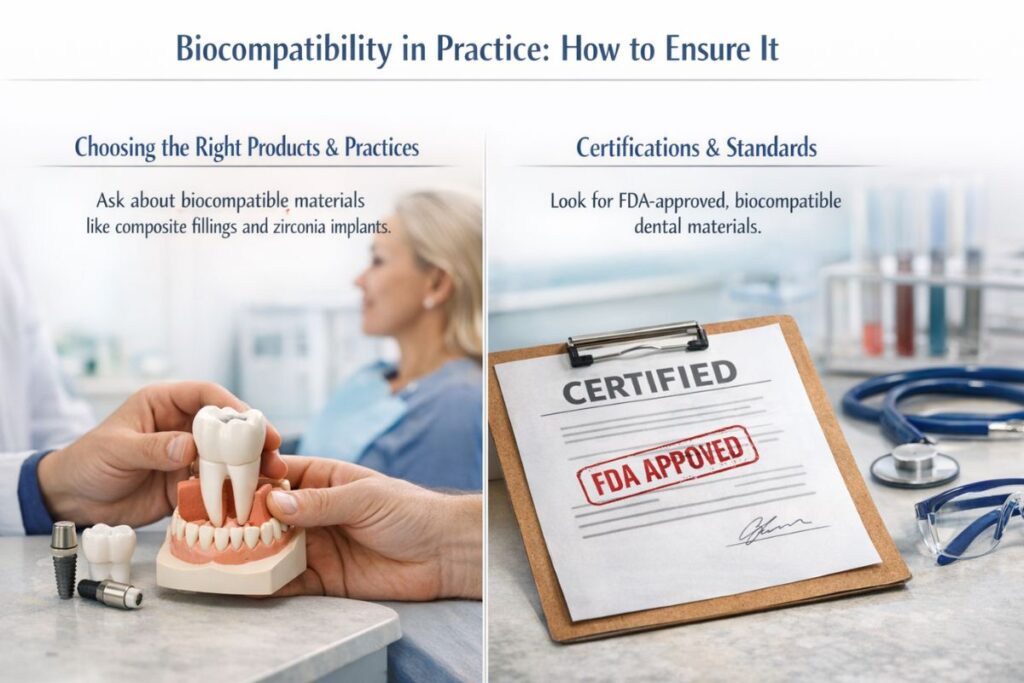
Biocompatibility in Practice: How to Ensure It
When choosing a wellness dentist or seeking holistic dentistry, it’s important to know how to ensure that the treatments and materials used are biocompatible. Here are some ways to ensure biocompatibility in your dental care:
Choosing the Right Products/Practices
Start by researching dental materials and asking your gentle dentist about the biocompatibility of the treatments they offer. For example, ask if they use composite resins for fillings instead of amalgam or if they offer biocompatible implants.
Certifications and Standards
Look for practices that prioritize biocompatibility through certifications and standards. For example, many wellness-focused dentists ensure that the materials they use meet FDA approval for biocompatibility, ensuring they are safe for your body.
Questions to Ask Holistic Practitioners
- “What materials do you use for dental restorations, and how do they align with holistic principles?”
- “Are your dental implants biocompatible?”
- “Do you offer options that minimize the use of metals in your treatments?”
Biocompatibility is more than just a concept in holistic dentistry. It is the golden rule that guides every treatment we provide at Northwest Natural Dentistry. By focusing on biocompatible materials and treatments, we align with the body’s natural healing abilities, prevent long-term health issues, and ensure that our patients experience optimal wellness.
We encourage you to consider holistic approaches to oral health that prioritize biocompatibility in every aspect of your care. Whether you’re seeking whole-body health dentistry or a wellness dentist focused on prevention, Northwest Natural Dentistry is here to guide you every step of the way. Embrace biocompatibility, and take a proactive step toward healthier, more natural dental care today!
FAQs
How does biocompatibility support long-term health?
By using biocompatible materials, holistic dentistry helps prevent future health issues like metal toxicity, inflammation, or complications from synthetic treatments.
Can biocompatibility prevent oral infections?
Yes, using materials compatible with the body, such as biocompatible treatments, reduces the risk of infection and supports better oral health outcomes.
Does biocompatibility affect the effectiveness of holistic treatments?
Absolutely. Biocompatible materials ensure that holistic treatments, such as acupuncture or naturopathy, work synergistically without interference from harmful substances.
Can biocompatible materials improve the appearance of my smile?
Yes, biocompatible materials like composite fillings and ceramic crowns not only provide a safe treatment but also offer a natural look that blends seamlessly with your teeth.
Are biocompatible treatments safe for everyone?
Biocompatible treatments are generally safe, but it’s always important to consult with your dentist to ensure they’re the right fit for your specific health needs.