8382 N. Wayne Drive Suite 202 Hayden, ID 83835

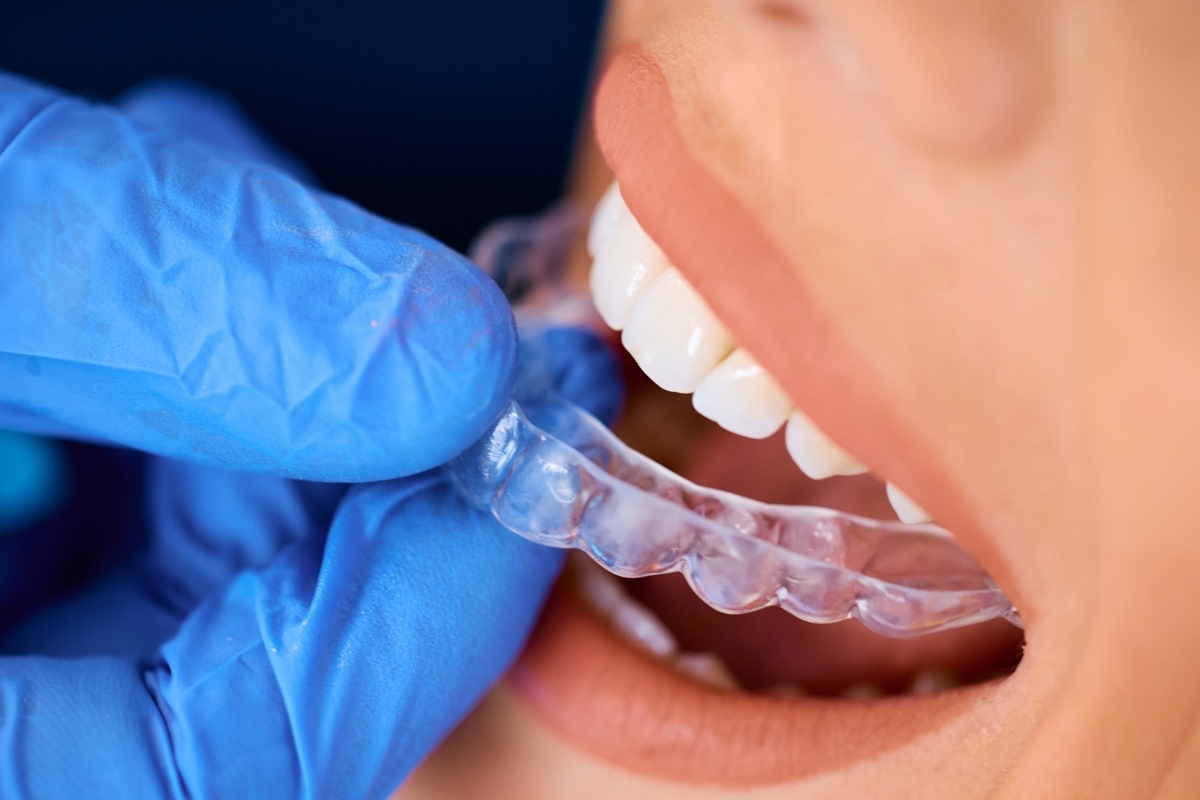
A reverse lower jaw position, also known as a Class III malocclusion or underbite, is a condition where the lower jaw protrudes further than the upper jaw. This misalignment can affect both your appearance and oral health. If you’re considering treatment options for this condition, you may wonder if Invisalign, the popular clear aligner system, can help correct a reverse lower jaw position.
At Northwest Natural Dentistry in Hayden, we’re committed to offering innovative solutions to improve your smile and your bite. Invisalign is a well-known treatment for teeth alignment, but can it address more complex issues, such as a reverse jaw? Let’s dive into how Invisalign works and whether it’s suitable for correcting this type of malocclusion.
How Invisalign Works
Invisalign uses a series of custom-made clear aligners to gently shift your teeth into the desired position over time. The aligners are worn in sequence, gradually adjusting the position of your teeth. Unlike traditional metal braces, Invisalign aligners are clear, removable, and comfortable, making them a popular choice for those seeking a discreet orthodontic treatment.
While Invisalign is primarily designed to correct mild to moderate misalignments, it can also address some more complex issues when combined with advanced techniques or attachments. However, whether it can correct a reverse lower jaw position depends on the severity of the case and individual factors.
Can Invisalign Correct a Reverse Lower Jaw?
The simple answer is: it depends.
Invisalign is highly effective for many types of teeth misalignment, including overbites, underbites, crowding, and spacing issues. However, correcting a reverse lower jaw position (Class III malocclusion) can be more complicated because it often involves the entire jaw, not just the teeth.
For mild to moderate cases of a reverse jaw, Invisalign may help. The aligners can shift the teeth into better alignment, which may help reduce the appearance and functional impact of the underbite. However, for more severe cases, Invisalign alone might not be sufficient to fully address the issue.
In these cases, your dentist or orthodontist in Hayden may recommend combining Invisalign with additional treatments, such as elastics (rubber bands) or, in some cases, surgery. These additional treatments can help adjust the jaw’s position and achieve the best results.
How Invisalign Helps With Jaw Position
While Invisalign is typically focused on moving teeth, it can also positively impact jaw alignment in certain situations. This can happen through several mechanisms:
- Teeth Alignment: Misaligned teeth can contribute to an improper bite, worsening the reverse lower jaw issue. Invisalign helps align the teeth, improving bite function.
- Jaw Movement: Invisalign can apply gentle pressure on the teeth, which may indirectly help with jaw positioning by guiding the teeth into a more aligned position. In some cases, this can help alleviate the strain on the jaw joint and surrounding muscles, improving overall jaw function.
The Role of Attachments and Elastics
In more complex cases of reverse jaw positions, your orthodontist in Hayden might recommend adding attachments or using elastics with your Invisalign treatment. Attachments are small, tooth-colored buttons placed on your teeth that help aligners apply more precise pressure. Elastics (rubber bands) are often used to correct jaw positioning by applying pressure to move the upper and lower jaws into a more natural alignment.
Elastics can be worn throughout the Invisalign treatment process, helping with bite correction. In certain cases, your dentist may advise wearing elastics in combination with Invisalign to create the best outcome for reverse jaw positioning.
Is Surgery Needed for Severe Reverse Lower Jaw Issues?
For severe cases of reverse lower-jaw positioning, surgery may be necessary. If your reverse bite is not correctable with Invisalign and elastics alone, your dentist may recommend jaw surgery. The goal of surgery is to reposition the jaw for better alignment and function. This is typically done in more extreme cases where the jaw has developed abnormally and cannot be corrected with aligners alone.
The good news is that many patients who undergo jaw surgery can still benefit from Invisalign in the final stages of alignment, once the jaw has been repositioned.
Benefits of Invisalign for Reverse Lower Jaw Treatment
Even if Invisalign is not the sole solution for your reverse jaw position, it still offers many benefits for improving your smile and overall oral health:
- Aesthetic Appeal: Invisalign aligners are nearly invisible, meaning you can straighten your teeth discreetly. Many patients find this particularly appealing if they’re self-conscious about wearing traditional braces.
- Comfort: The smooth plastic of Invisalign aligners is much more comfortable than metal braces, with fewer issues like gum irritation.
- Removable: Invisalign aligners can be removed for eating, brushing, and flossing, making it easier to maintain your daily oral hygiene routine compared to braces.
- Personalized Treatment: Invisalign treatment is customized for each patient, using 3D imaging to map out the entire treatment plan, ensuring precise results tailored to your needs.
Invisalign can be an effective solution for correcting a reverse lower jaw position in mild to moderate cases. For more severe cases, additional treatments or surgical intervention might be required. It’s important to consult with an experienced dentist or orthodontist who can assess your specific condition and provide a treatment plan that addresses both your cosmetic and functional needs.
At Northwest Natural Dentistry in Hayden, we specialize in Invisalign and other orthodontic treatments. If you have questions about how Invisalign can help correct your reverse lower jaw position or if you’re interested in starting your treatment journey, schedule a consultation with us today. We’re here to help you achieve a healthy, confident smile!
FAQs
- Can Invisalign fix an underbite?
Invisalign can help correct mild to moderate underbites by aligning the teeth. For more severe cases, additional treatments such as elastics or jaw surgery may be required. - How long does Invisalign treatment take for jaw correction?
Treatment duration varies based on the severity of the condition, but most Invisalign cases take between 12 to 18 months to complete. - Are there any alternatives to Invisalign for reverse lower jaw positions?
Traditional braces, jaw surgery, or a combination of treatments might be recommended for severe cases. Your dentist will provide the best option based on your needs. - Can Invisalign be combined with other treatments?
Yes, Invisalign can be combined with elastics or attachments to address more complex cases of reverse jaw positioning. - Is Invisalign a good option for teenagers with jaw misalignment?
Invisalign is a great option for teenagers, especially if their jaws are still developing. An evaluation with a dentist or orthodontist can help determine the best course of action.